 EN
EN

As electric vehicles (EVs) become mainstream, choosing the right charging solution is no longer optional—it directly affects convenience, charging cost, and daily driving experience. The two most popular home charging solutions today are the wall mounted EV charger and the portable EV charger.
Each has unique advantages depending on lifestyle, installation environment, and mobility needs. This guide provides a deep comparison of portable vs wall mounted EV charger, helping you choose the best option for your needs while understanding performance, safety, cost, and usability.
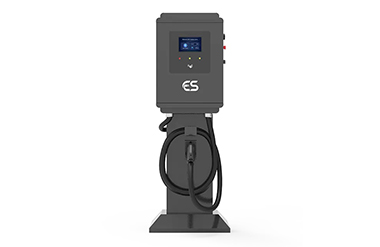
A wall mounted EV charger is a fixed charging unit installed on a garage wall, parking structure, or dedicated charging space. It connects directly to a power supply and provides stable, high-efficiency EV charging.
Wall-mounted chargers are commonly installed by homeowners, businesses, and commercial EV charging stations due to their reliability and fast charging capabilities.
When discussing solutions from EV charger manufacturers such as Estar, wall-mounted chargers are often designed with smart charging features like app control, load balancing, and scheduled charging.
Fixed installation
Higher power output (Level 2 or above)
Smart charging capabilities
Requires professional installation
A portable charger is a compact charging device that can be plugged into different power outlets. Unlike fixed units, it is designed for mobility and flexibility.
It typically comes with interchangeable plugs (e.g., NEMA 14-50, standard household outlets), allowing users to charge their EV almost anywhere with access to electricity.
Lightweight and portable
Plug-and-play usability
Works in multiple locations
Lower installation requirements
A wall mounted EV charger offers several benefits that make it ideal for long-term home or commercial use.
Wall-mounted chargers generally deliver higher power output, significantly reducing charging time compared to portable chargers.
Because it is hardwired, it provides consistent energy delivery without fluctuations.
Many modern ev charger wall mount systems include:
Mobile app control
Energy tracking
Scheduled charging
RFID access control
Built-in protection systems reduce risks of overheating or overload.
Ideal for garages and commercial installations where aesthetics matter.
A portable EV charger is designed for flexibility and convenience.
You can charge your EV at home, work, travel destinations, or vacation rentals.
Just plug into a compatible outlet and start charging immediately.
Useful when your wall charger is unavailable or malfunctioning.
Portable chargers are generally more affordable than wall-mounted systems.
Great for renters, frequent travelers, or multi-location users.
The table below highlights the main differences between these two charging solutions:
| Feature | Wall Mounted EV Charger | Portable EV Charger |
|---|---|---|
| Installation | Required (professional) | None |
| Charging Speed | Fast (Level 2+) | Moderate |
| Portability | Fixed | High |
| Cost | Higher upfront | Lower upfront |
| Safety | Very high (hardwired system) | Moderate (depends on outlet) |
| Smart Features | Advanced (app, scheduling) | Limited or basic |
| Ideal For | Homeowners, businesses | Travelers, renters |
| Maintenance | Low | Low |
Choosing between a portable charger and a wall mounted EV charger depends on your lifestyle and charging expectations.
You have a dedicated parking space or garage
You want faster daily charging
You prefer smart charging features
You own your home
You travel frequently
You rent your home
You need charging flexibility
You want a backup charging solution
Many EV owners actually use both:
Wall mounted EV charger at home (primary)
Portable EV charger in the trunk (backup/emergency)
This combination ensures maximum flexibility and zero downtime.
Yes, but charging speed depends on outlet type and power capacity. It is usually slower than a wall mounted EV charger.
It depends on your needs. Wall-mounted chargers are better for speed and daily use, while portable chargers offer flexibility.
It is not recommended. Professional installation ensures safety and compliance with electrical standards.
Yes, if used with certified outlets and proper electrical conditions. However, they are not ideal for high-frequency fast charging.
Minimal maintenance is required, usually limited to inspection and software updates for smart models.
Choosing between a wall mounted EV charger and a portable EV charger depends on your daily charging needs.
A wall mounted EV charger is best for homeowners who want faster, safer, and more stable charging at home. It is ideal for regular use and offers better long-term convenience.
A portable charger is better for drivers who need flexibility. It is easy to carry, requires no installation, and works well for travel, rental homes, or emergency charging situations.
In many cases, using both is the most practical option—wall-mounted for daily home charging and portable EV chargers for backup or on-the-go use.
Related News
 Estar AC Wallbox
  Estar Twins EV Charger
  Estar Bright AC
  Estar Bright DC
  Estar Mini DC Charger
  Estar DC Pro
  Estar DC MX
  Estar Mercury Etar E-ship charger
  Estar Home Mini
  Estar Home Pro
  Estar Home MX
 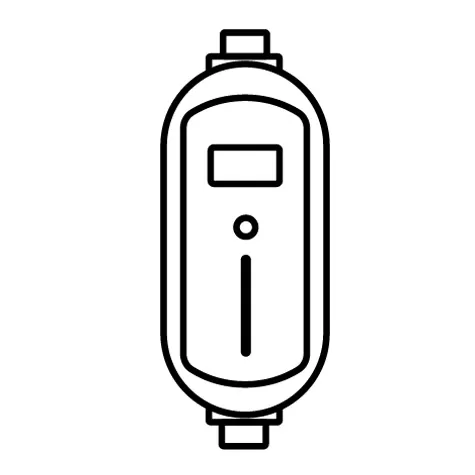 Estar Portable Mini
 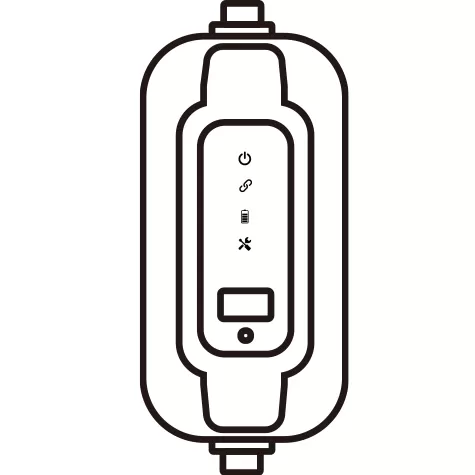 Estar Portable Pro
 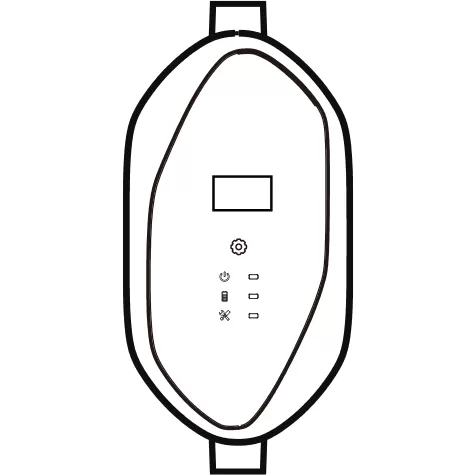 Estar Portable MX
 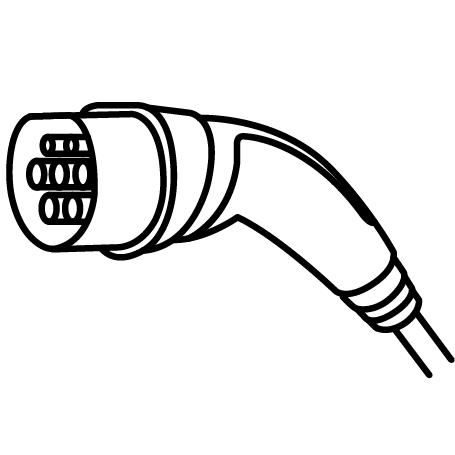 Estar AC Charging Cable
  Estar DC Charging Cable
  Estar EV Charging Accessories