 EN
EN

The electric vehicle market is growing rapidly, and more households and businesses now own multiple EVs. As charging demand increases, choosing the right charging infrastructure becomes critical.
A single EV charger has long been the standard solution for residential charging. However, with multi-EV households, commercial fleets, apartment buildings, and workplaces becoming more common, the dual EV charger is emerging as the smarter and more future-ready solution.
In this guide, we will compare dual EV chargers and single EV chargers in depth, including performance, installation, costs, convenience, scalability, and long-term value. We will also explain why more consumers and businesses are turning to advanced charging solutions from leading EV charger manufacturers like Estar.
A dual EV charger is a charging station equipped with two charging connectors, allowing two electric vehicles to charge simultaneously from a single unit.
Unlike traditional chargers that support only one car at a time, a dual charger intelligently distributes power between two vehicles. Depending on the model and power configuration, both EVs can receive balanced charging without needing separate charging stations.
Two charging ports in one unit
Simultaneous charging capability
Smart power sharing
Space-saving design
Ideal for multi-EV households and commercial use
Lower infrastructure cost compared to installing two separate chargers
Smart load management and energy optimization
Modern dual chargers from companies like Estar are designed to support residential, workplace, commercial parking, hotels, apartments, and fleet charging applications.
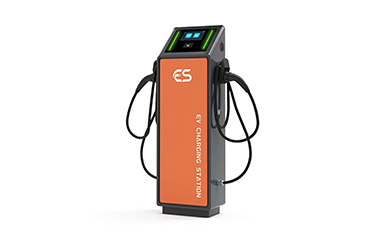
A single EV charger is a charging station with one charging connector designed to charge one electric vehicle at a time.
Single chargers are widely used in residential garages because they are simple, affordable, and easy to install. They remain a practical choice for households with only one EV.
One charging port
Simple installation
Lower upfront cost
Suitable for single-EV households
Compact design
Lower power requirements
While single chargers work well for basic charging needs, they may become limiting as EV ownership expands.
The biggest difference between these two charging solutions is efficiency and scalability.
Below is a detailed comparison table.
| Feature | Dual EV Charger | Single EV Charger |
|---|---|---|
| Charging Ports | 2 | 1 |
| Simultaneous Charging | Yes | No |
| Best For | Multi-EV homes, commercial sites | Single-EV homes |
| Space Efficiency | High | Moderate |
| Installation Complexity | Medium | Low |
| Future Scalability | Excellent | Limited |
| Power Management | Smart load balancing | Basic |
| Long-Term Value | Higher | Moderate |
| User Convenience | Very high | Standard |
| Commercial Application | Ideal | Limited |
Installing a dual EV charger requires more planning than a single charger.
Before installation, an electrician should evaluate:
total panel amperage
existing household loads
spare breaker space
future energy demand
Most Level 2 dual chargers require a dedicated 240V circuit.
Dual charging systems often include:
static load balancing
dynamic load balancing
smart energy monitoring
These systems help distribute available power safely between vehicles.
Professional installation is strongly recommended because EV chargers involve:
high-voltage electrical work
local electrical code compliance
permitting
grounding and protection systems
Improper installation can create safety hazards and reduce charger lifespan.
Choosing between a dual EV charger and a single EV charger depends on your current and future charging needs.
You already own two EVs
Your family plans to buy another EV soon
You want maximum convenience
You manage commercial parking or fleets
You want long-term scalability
You prefer smart energy management
You only own one EV
Budget is your top priority
You need maximum charging speed
Your electrical panel has limited capacity
You want the simplest installation
Among modern EV charger manufacturers, Estar focuses on efficient, scalable, and intelligent charging solutions.
Estar chargers dynamically allocate power between vehicles for optimized charging performance.
Designed for long-term use in demanding environments.
Supports app control, monitoring, scheduling, and remote management.
Two charging ports in one compact unit improve installation efficiency.
Ideal for growing EV adoption trends in residential and commercial markets.
For businesses and multi-EV households, Estar dual chargers provide a practical balance of performance, scalability, and cost efficiency.
Yes, especially for households with multiple EVs or future EV purchase plans. It improves convenience and eliminates charging wait times.
The charger itself does not consume excessive additional power. Electricity usage depends on the number of vehicles being charged and their battery demand.
Absolutely. They are widely used in commercial and shared parking environments because they maximize charging efficiency.
As EV ownership continues to grow, a dual EV charger is becoming a smarter choice for homes and businesses that need convenient, future-ready charging. While a single EV charger is suitable for one vehicle, a double electric car charger offers better efficiency, simultaneous charging, smarter energy management, and lower long-term infrastructure costs. As one of the innovative EV charger manufacturers, Estar provides reliable dual EV charging solutions designed for modern residential and commercial needs.
Related News
 Estar AC Wallbox
  Estar Twins EV Charger
  Estar Bright AC
  Estar Bright DC
  Estar Mini DC Charger
  Estar DC Pro
 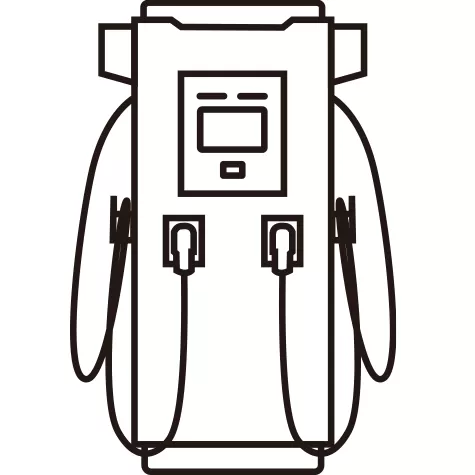 Estar DC MX
  Estar Mercury Etar E-ship charger
  Estar Home Mini
  Estar Home Pro
 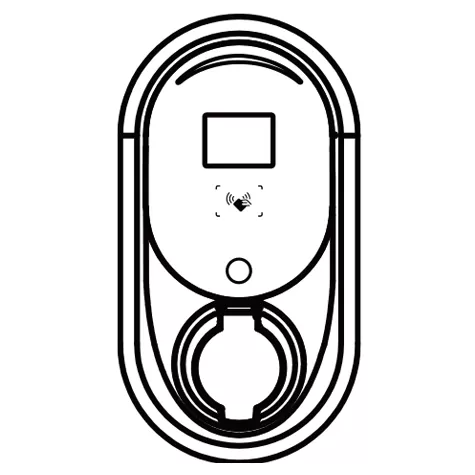 Estar Home MX
 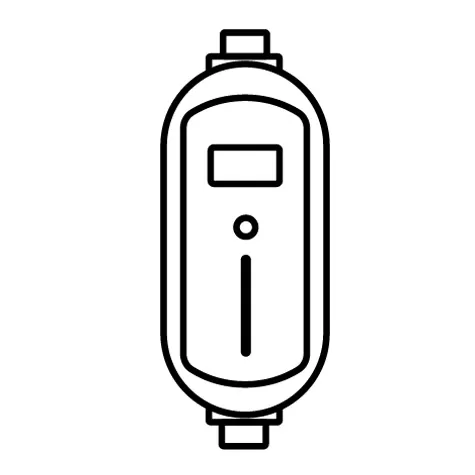 Estar Portable Mini
 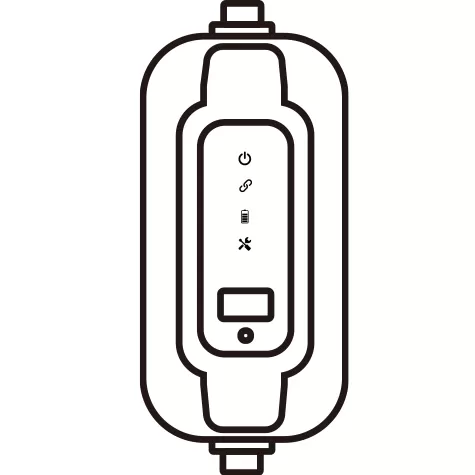 Estar Portable Pro
 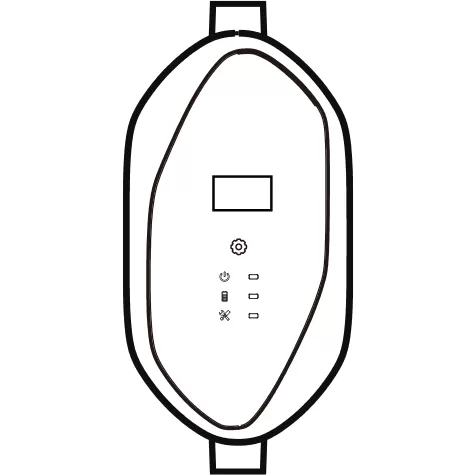 Estar Portable MX
 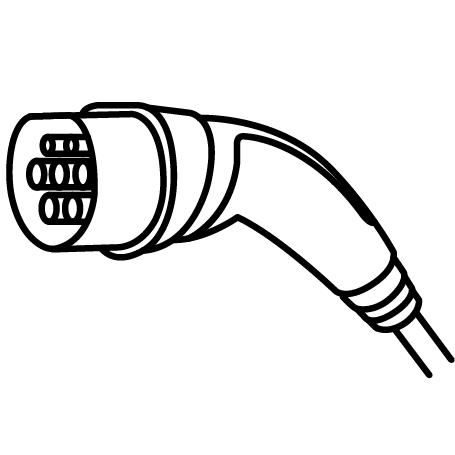 Estar AC Charging Cable
 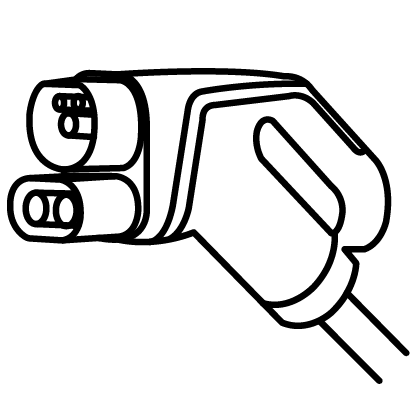 Estar DC Charging Cable
  Estar EV Charging Accessories