 EN
EN

As electric vehicles (EVs) become mainstream, home and commercial charging infrastructure is rapidly evolving. Among the most important solutions in this ecosystem is the AC Wallbox, also known as a Wallbox AC charger, which provides efficient, safe, and intelligent charging for EV owners worldwide.
This guide explains everything you need to know about AC Wallbox technology, how it works, its advantages over DC fast chargers, and how to choose the right solution for your needs. We will also include insights from Estar Charger, a growing EV charging solutions brand focused on reliable and smart charging systems.
An AC Wallbox is a compact electric vehicle charging unit that delivers alternating current (AC) from the grid to an EV. The vehicle then converts AC into DC (direct current) using its onboard charger.
Unlike portable chargers or standard wall outlets, a Wallbox AC charger is permanently installed on a wall, typically in homes, parking garages, or commercial buildings.
Fixed installation on a wall or pedestal
Uses AC power from the grid
Relies on the vehicle's onboard converter
Charging speeds typically range from 3.7 kW to 22 kW
Suitable for long-duration charging (home or workplace)
Brands like Estar AC Wallbox chargers are designed for stable performance, smart connectivity, and safety compliance across global standards.
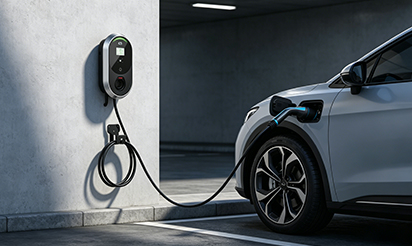
The working principle of an AC Wallbox is straightforward but efficient:
The Wallbox draws AC electricity from the grid.
The EV receives AC power via the charging cable.
The onboard charger inside the EV converts AC → DC.
The DC power is stored in the vehicle’s battery.
| Stage | Process | Description |
|---|---|---|
| 1 | Grid Input | AC electricity is supplied to the Wallbox |
| 2 | Power Control | Wallbox regulates voltage and current |
| 3 | EV Input | AC is transferred to the vehicle |
| 4 | Conversion | Vehicle converts AC to DC |
| 5 | Storage | Energy is stored in EV battery |
Modern Estar Wallbox AC chargers often include smart load balancing, RFID authentication, and app-based monitoring to optimize this process.
Understanding the difference between AC and DC charging is essential when selecting an EV charging solution.
| Feature | AC Wallbox | DC Fast Charger |
|---|---|---|
| Power Type | Alternating Current (AC) | Direct Current (DC) |
| Conversion | Inside vehicle | Inside charger |
| Charging Speed | Moderate (3.7–22 kW) | Very fast (50–350 kW) |
| Installation Cost | Lower | High |
| Use Case | Home / Workplace | Highway / Commercial hubs |
| Battery Stress | Lower | Higher over time |
AC Wallbox = daily home charging solution
DC charger = long-distance travel solution
For most EV users, a Wallbox AC system from Estar provides the ideal balance of affordability, safety, and convenience.
Modern AC Wallbox systems are no longer simple power outlets. They are intelligent energy devices designed for smart mobility.
Smart Charging Control
App-based scheduling
Remote start/stop
Dynamic Load Balancing
Prevents grid overload
RFID Access Control
User authentication for shared charging
Wi-Fi / 4G Connectivity
Real-time monitoring
OCPP Compatibility
Integration with charging networks
Safety Protection
Overvoltage, leakage, and temperature protection
Estar AC Wallbox chargers integrate intelligent energy management systems that optimize charging efficiency while reducing electricity costs.
Selecting the right Wallbox AC charger depends on multiple factors such as EV type, installation environment, and charging needs.
3.7 kW → basic home use
7.4 kW → standard residential charging
11–22 kW → faster home or commercial use
Type 1 (older EV models)
Type 2 (modern global standard)
App control
Energy tracking
Scheduling
Indoor garage
Outdoor wall-mounted unit
Commercial parking areas
Choosing a trusted manufacturer like Estar Charger ensures compliance with international safety standards and long-term durability.
Yes, most modern EVs are compatible with AC Wallbox chargers, especially those using Type 2 connectors.
Yes, but installation should be done by a certified electrician to ensure safety and compliance.
A Wallbox AC charger is faster, safer, and permanently installed, while portable chargers are slower and less efficient.
The AC Wallbox is the backbone of modern EV home charging infrastructure. It offers a perfect balance of efficiency, safety, and affordability compared to DC fast charging systems. As EV adoption continues to grow, smart Wallbox AC chargers—especially those developed by innovative brands like Estar Charger—will play a critical role in shaping sustainable transportation.
If you want a reliable, future-ready EV charging solution, investing in a high-quality AC Wallbox system is no longer optional—it is essential.
Related News
 Estar AC Wallbox
  Estar Twins EV Charger
  Estar Bright AC
  Estar Bright DC
  Estar Mini DC Charger
  Estar DC Pro
  Estar DC MX
  Estar Mercury Etar E-ship charger
  Estar Home Mini
  Estar Home Pro
  Estar Home MX
 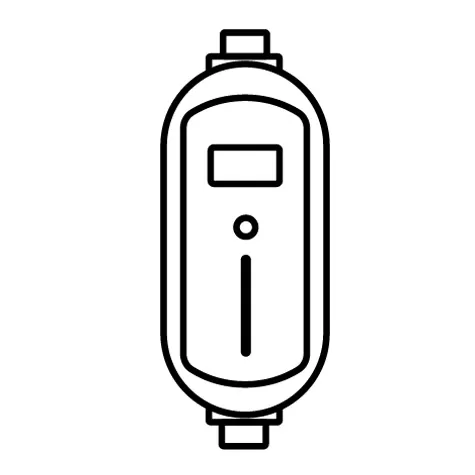 Estar Portable Mini
 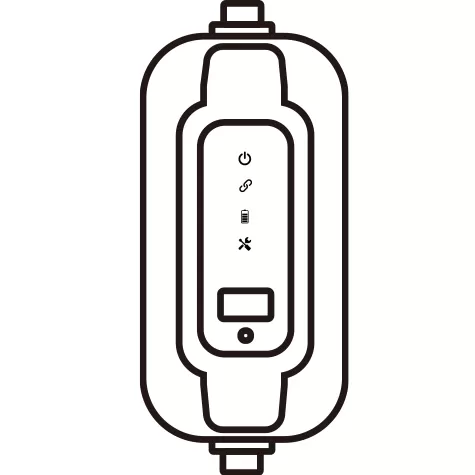 Estar Portable Pro
 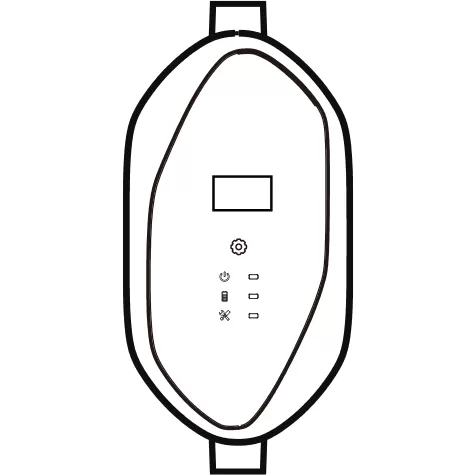 Estar Portable MX
 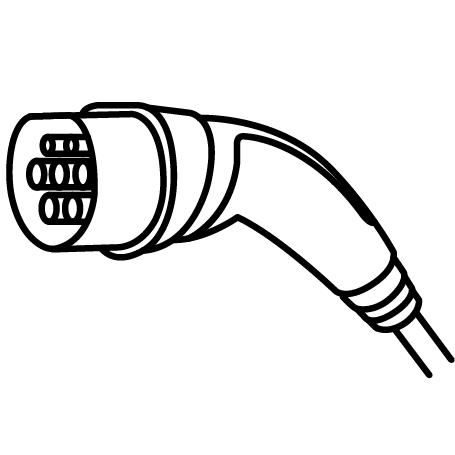 Estar AC Charging Cable
 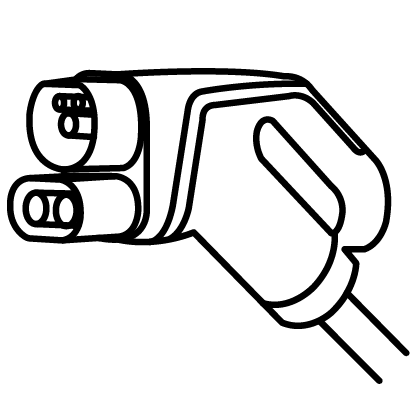 Estar DC Charging Cable
  Estar EV Charging Accessories